

Heel Yeah — Let’s Talk About That First-Step Pain
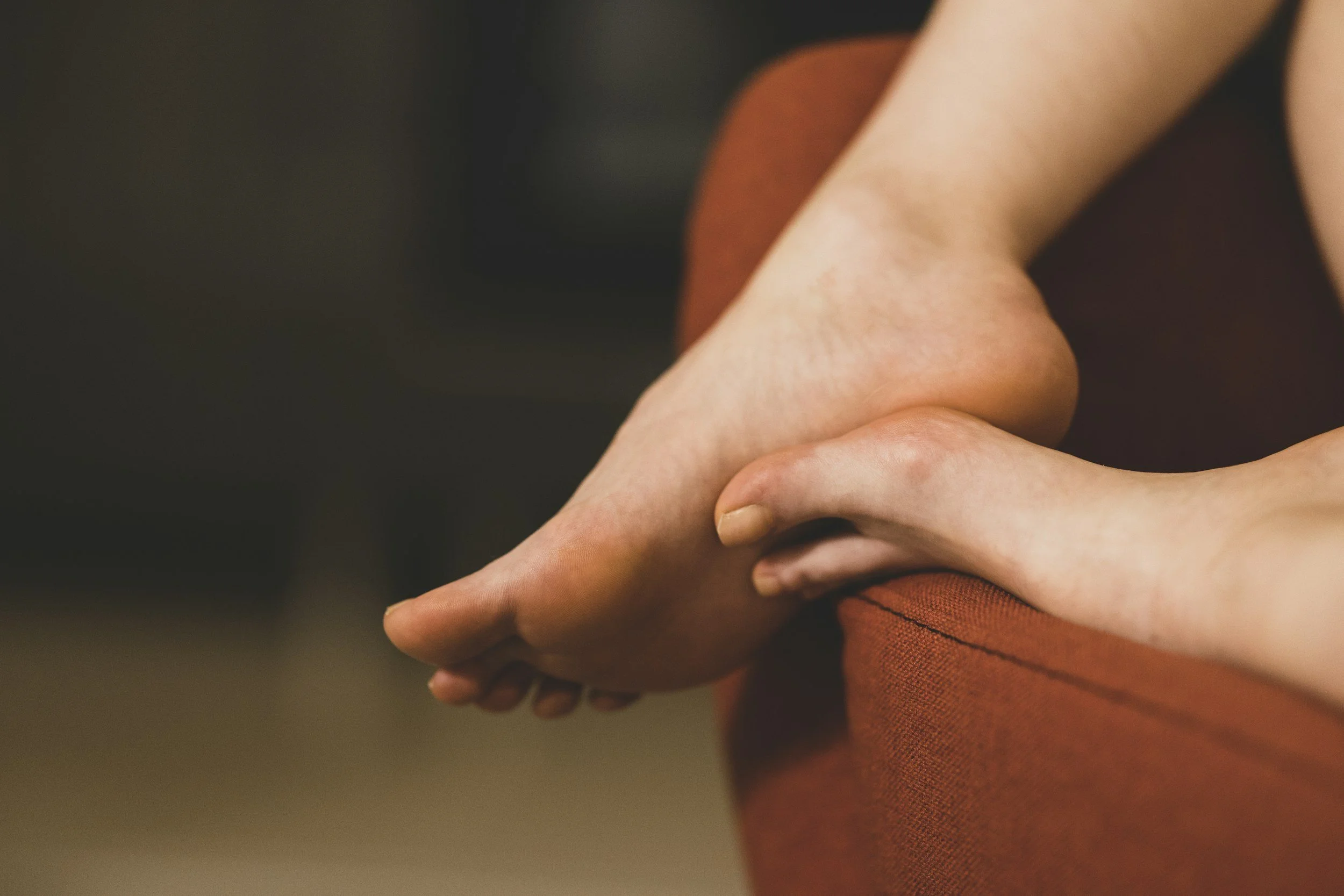
Understanding Heel Pain: Causes and Treatments
Ever stepped out of bed in the morning and felt a sharp, stabbing pain in your heel? Or maybe it hits you after a long day on your feet — a deep ache right where your arch meets your heel. If that sounds familiar, you’re likely dealing with plantar fasciitis.
It’s one of the most common causes of heel pain — and fortunately, also one of the most treatable.
What Is Plantar Fasciitis?
Your plantar fascia is a thick band of tissue that runs along the bottom of your foot, connecting your heel bone to your toes. It helps support your arch and absorbs shock when you walk.
When this tissue becomes overstretched, strained, or inflamed, it causes pain in the heel or arch — especially with your first steps in the morning or after rest.
This condition is called plantar fasciitis (pronounced fash-ee-EYE-tiss), and it affects millions of people every year.
Symptoms of Plantar Fasciitis
Sharp or stabbing heel pain, especially with your first steps in the morning
Pain after long periods of standing or walking
Heel pain after exercise (not usually during)
Tightness in the arch or bottom of the foot
Tenderness at the inside of the heel
The pain may improve as you move around but can return later in the day — especially after sitting or driving.
What Causes Plantar Fasciitis?
There’s no single cause, but several risk factors increase your chances:
Overuse from running, walking, or standing for long periods
Wearing non-supportive footwear (especially flat shoes or flip-flops)
Tight calf muscles or Achilles tendon
Flat feet or high arches
Sudden increases in activity or weight gain
Even small changes in your routine (new shoes, starting a walking program, etc.) can be enough to trigger symptoms.
How to Treat It
The good news? Most cases of plantar fasciitis can be treated without surgery.
At-Home Relief:
Wear supportive footwear — avoid walking barefoot, even at home.
Use orthotics to relieve pressure on your plantar fascia.
Ice the heel for 10–15 minutes a few times a day.
Stretch your calves and arches regularly.
Roll a frozen water bottle under your foot.
Rest or modify activity to reduce strain.
In-Office Treatment:
If pain persists or worsens, it’s time to see a podiatrist. We offer:
Custom orthotics for arch and heel support
Targeted physical therapy
Strapping or taping techniques
Corticosteroid injections for stubborn inflammation
Guidance to prevent recurrence
Is It Really Plantar Fasciitis?
Heel pain can also be caused by:
Heel spurs
Nerve entrapment
Stress fractures
Tendonitis
That’s why a proper diagnosis matters — and why "just Googling it" only gets you so far.
Don’t Wait — The Longer You Live With Heel Pain, the Harder It Is to Treat
We hear this all the time:
"I thought it would go away on its own."
"I just changed shoes, but it still hurts."
"I can’t even walk barefoot anymore."
The truth is, the earlier we treat it, the faster you’ll recover. And if you’re already limping or adjusting your gait, you could be putting other joints at risk — like your knees, hips, or back.
Ready to Get Back on Your Feet?
If heel pain is making your mornings miserable or your days longer than they should be, let’s fix it — with a plan tailored to your feet and your lifestyle.