

Double Crossed: When Your Second Toe Goes Rogue
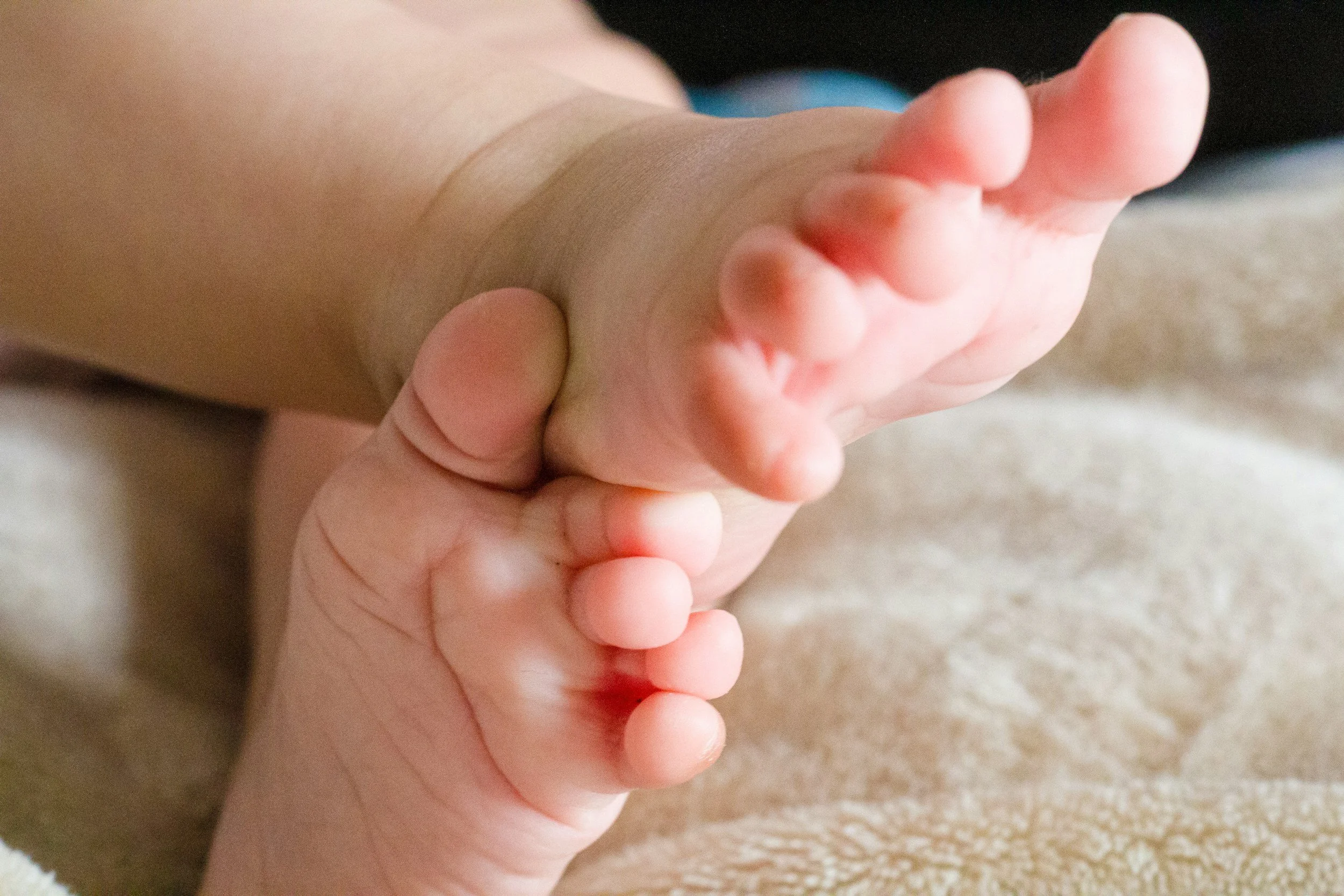
Have you ever noticed your second toe creeping over your big toe, or maybe under it? An overlapping second toe is a common foot condition that affects both children and adults. While it may start as a subtle alignment issue, it can eventually cause discomfort, shoe irritation, or even corns if left unaddressed.
Understanding why it happens and how to manage it can make a big difference in comfort and help prevent the problem from getting worse over time.
What Is an Overlapping Second Toe?
An overlapping second toe occurs when the second toe rests partially over or under the big toe instead of lying straight. The toe may remain flexible in the early stages, but over time, it can become more rigid. While it’s often a cosmetic concern at first, many people notice rubbing, pressure, or discomfort in shoes as the toe shifts out of alignment.
Why Does It Happen?
There isn’t a single cause for overlapping toes. A variety of factors can contribute, including:
Genetics: Some foot structures are simply inherited, making certain toes more likely to overlap.
Muscle or tendon imbalance: Weakness or imbalance in the muscles controlling toe movement can allow toes to drift.
Foot mechanics: Flat feet, high arches, or instability in the arch can change how weight is distributed across the toes, encouraging overlap.
Footwear: Tight, narrow, or pointed shoes can push toes together, sometimes gradually causing overlap.
Progressive conditions: Bunions or early hammertoes can nudge the second toe out of alignment.
In children, overlapping toes are often flexible and can sometimes improve with conservative care. In adults, the condition may develop slowly over time and become more rigid, making early attention especially helpful.
Signs You Might Have an Overlapping Toe
You might notice:
Your second toe sitting on top of or under the big toe
Pressure or friction inside your shoes
Corns, calluses, or irritation where the toes rub
Difficulty finding comfortable shoes
Even if the toe isn’t painful yet, early management can prevent discomfort later.
How to Manage an Overlapping Second Toe
Most overlapping toes can be managed conservatively, especially if caught early. Here’s what tends to help:
1. Footwear Matters
Shoes with a wide, deep toe box reduce pressure on the toes and allow them to rest more naturally. Avoid narrow or pointed shoes that squeeze your toes together.
2. Toe Spacers, Sleeves, and Protectors
Toe spacers gently keep toes separated and encourage proper alignment.
Toe sleeves or cushions reduce friction and protect the skin from rubbing.
Corn protectors can help if corns have already formed.
These devices are most effective in flexible or early cases and are primarily for comfort and slowing progression.
3. Orthotics and Supports
Custom orthotics can improve foot stability, redistribute pressure, and address underlying biomechanical issues that contribute to overlapping toes.
4. Exercises
Stretching and strengthening exercises can help improve flexibility and support toe alignment. Simple moves like toe curls or scrunching a towel with your toes can help, particularly for flexible toes.
When to See a Podiatrist
It’s a good idea to schedule an evaluation if:
Your toe overlap is worsening
Pain, pressure, or irritation develops
Corns, calluses, or skin changes appear
A child’s toe alignment is changing
Early evaluation often allows for more options, and in some cases, can prevent the need for surgery later.
Bottom Line
An overlapping second toe is common, manageable, and usually doesn’t require invasive treatment if addressed early. With the right footwear, simple devices like spacers or sleeves, and guidance from a podiatrist, you can maintain comfort, protect your feet, and keep your toes aligned.
If your second toe is starting to drift out of place, or you’re noticing irritation in your shoes, don’t wait! Getting it checked now can save you discomfort down the road.