

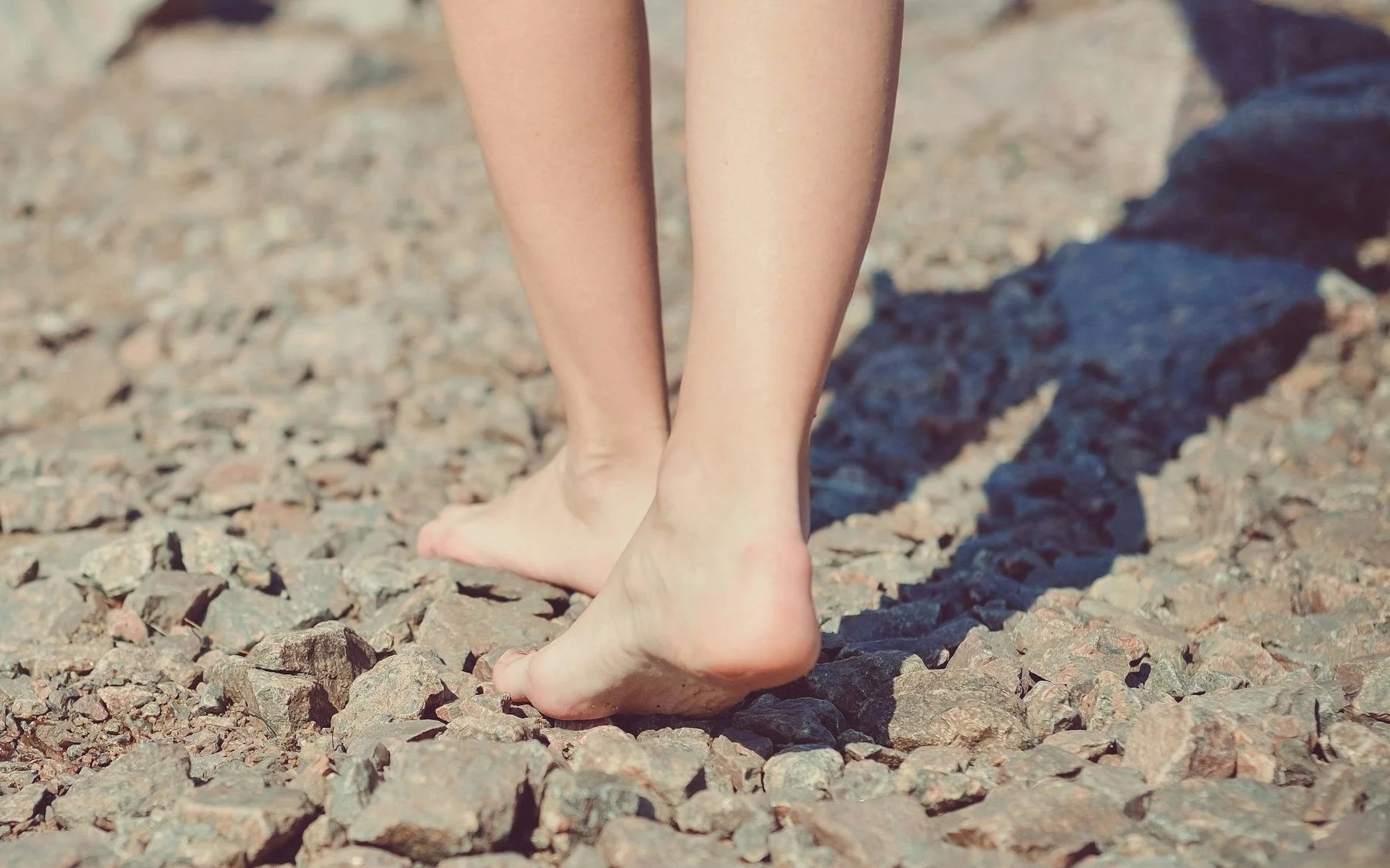
As the weather gets colder and the air gets drier, you may start noticing rough, dry, or cracked heels. While they might seem like a minor cosmetic concern, cracked heels can become uncomfortable and even painful if left untreated.
So, what causes your heels to crack, and what can you do to keep them healthy this fall and winter?
What Causes Cracked Heels?
Cracked heels, also known as heel fissures, occur when the skin around the heel becomes dry, thick, and less flexible, forming a callus. As you walk or stand, pressure causes the heel's natural fat pad to expand outward. When the surrounding skin cannot stretch enough to accommodate that pressure, it can split and crack.
Several factors can contribute to cracked heels, including:
Dry weather: Cold temperatures, low humidity, and indoor heating can contribute to dry skin.
Prolonged standing: Spending long periods on your feet, especially on hard surfaces, increases pressure on your heels.
Footwear choices: Open-backed shoes and sandals may allow the heel's fat pad to spread outward, increasing stress on the surrounding skin.
Thickened skin: Calluses can build up around the heel and become more prone to cracking.
Underlying skin conditions: Eczema and psoriasis can contribute to dry, irritated skin. Fungal infections, such as athlete's foot, can also cause scaling and peeling on the soles and heels and may occasionally contribute to fissures.
How Can You Treat Cracked Heels at Home?
The good news is that mild cases of dry, cracked heels can often be managed with a consistent foot-care routine.
1. Moisturize daily.
Apply a thick foot cream after bathing, while your skin is still slightly damp. Creams containing urea can help soften thickened skin and improve moisture retention. Petroleum jelly before bed can also help lock in moisture. Consider wearing cotton socks overnight.
2. Be gentle with thickened skin.
Gently using a pumice stone in the shower on intact, thickened skin may help reduce excess buildup. Avoid aggressive scrubbing, and never cut away hard skin with scissors or razor blades, as this can cause injury and infection.
3. Choose supportive footwear.
Wear well-fitting shoes with adequate cushioning and heel support. Try to limit prolonged walking barefoot and avoid footwear that leaves your heels exposed if cracking is a concern.
4. Stay consistent.
A single application of moisturizer may not be enough. Make heel care part of your daily routine, particularly during colder months when skin can become drier.
When Should You See a Podiatrist?
Not every cracked heel requires professional treatment, but deeper cracks deserve attention. If your heels are bleeding, very painful, increasingly red, swollen, or showing signs of infection, contact your podiatrist.
A podiatrist can assess the severity of the cracks, identify contributing factors, and recommend appropriate treatment. Depending on your needs, treatment may include professional removal of excess thickened skin, protective dressings, and guidance on suitable creams and footwear.
If you have diabetes, reduced sensation, or poor circulation, seek professional advice about cracked heels rather than attempting to treat them yourself. Even small breaks in the skin can become more serious when healing is impaired.
Keep Your Heels Healthy This Season
Cracked heels are common, but that doesn't mean you have to live with discomfort. Regular moisturizing, appropriate footwear, and early attention to changes in your skin can help keep your heels comfortable throughout the colder months.
If your cracked heels are painful, persistent, or getting worse, we can help assess your symptoms and determine the best next steps for your foot health.
Don't let cracked heels put pressure on your day. Contact our office if you have concerns about your heels or need professional foot-care guidance.